
Frequently Asked Questions About Sushi: A Beginner's Guide
What is Sushi?
Sushi is a traditional Japanese dish that typically consists of vinegared rice paired with ingredients such as seafood, vegetables, and sometimes tropical fruits. It is a culinary art form that has evolved over centuries, delighting taste buds around the world with its unique flavors and textures.
Types of Sushi
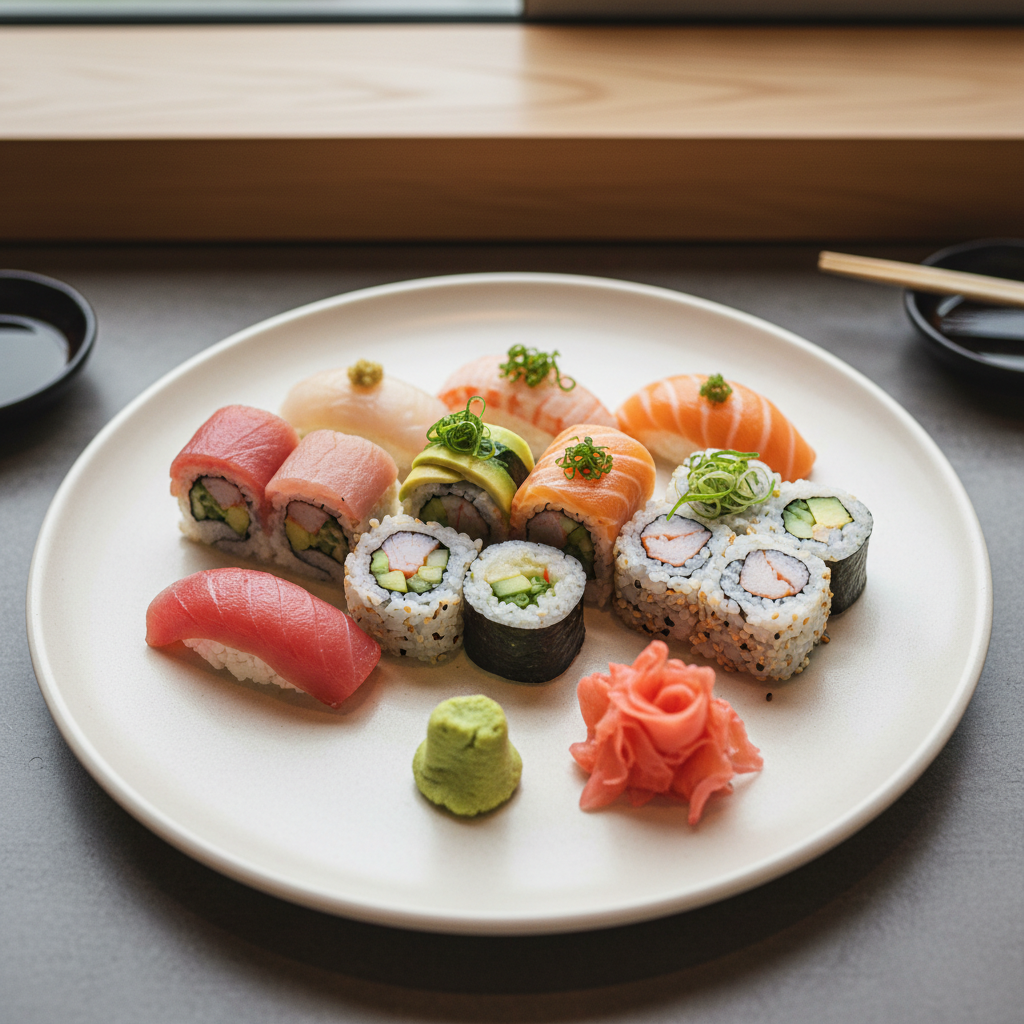
There are several types of sushi, each offering a different experience. Here are the most common ones:
- Nigiri: A hand-formed mound of rice topped with a slice of fish or seafood.
- Sashimi: Thinly sliced raw fish or seafood, served without rice.
- Maki: Rice and fillings rolled in seaweed, then sliced into bite-sized pieces.
- Uramaki: Similar to maki but with rice on the outside.
- Temaki: A cone-shaped hand roll filled with rice and ingredients.
Is Sushi Always Raw?
One of the most common misconceptions about sushi is that it is always raw. While many sushi dishes feature raw fish, there are plenty of cooked options available. For example, unagi (grilled eel) and tamago (sweet egg omelet) are popular choices for those who prefer cooked sushi.
Understanding Sushi Etiquette
Eating sushi comes with its own set of etiquette rules. Here are a few tips to enhance your dining experience:
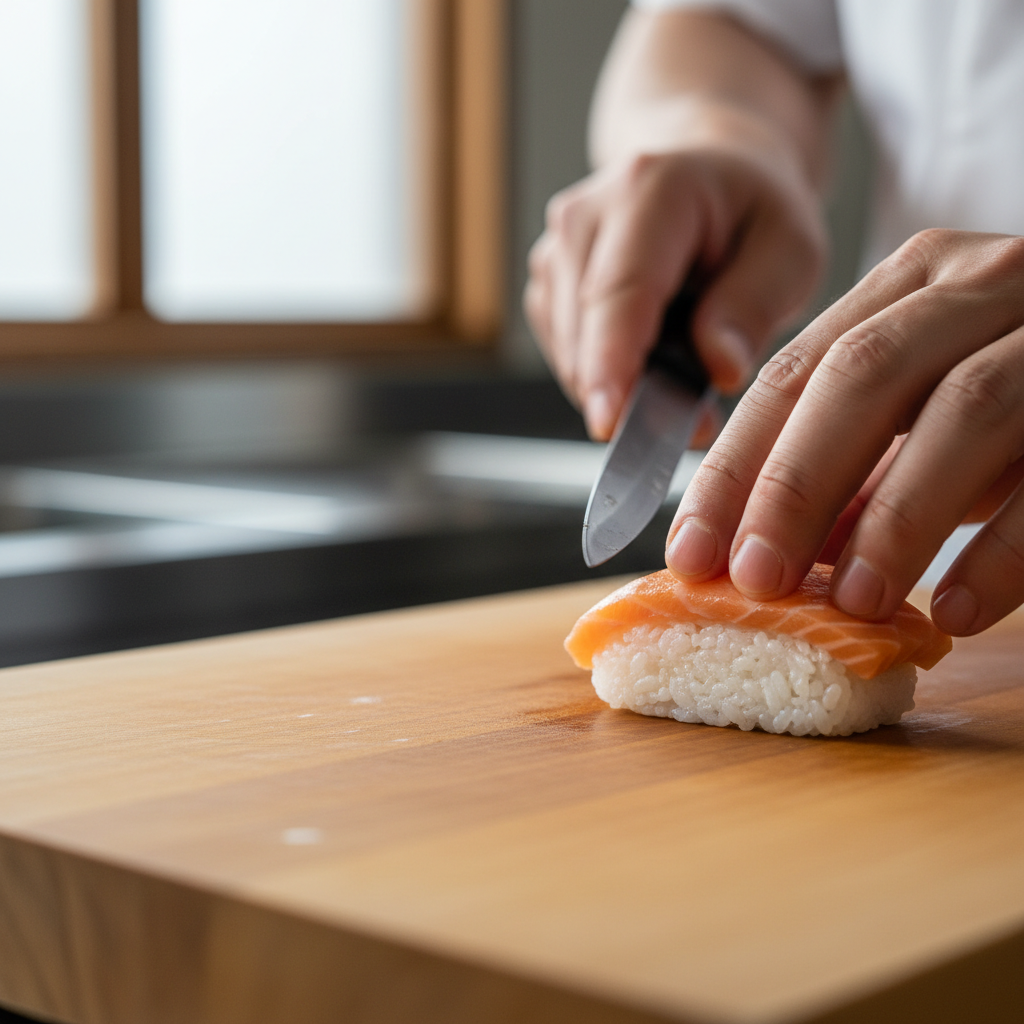
- Use your hands or chopsticks to eat nigiri sushi.
- Dip the fish side, not the rice, into soy sauce to avoid overpowering the flavor.
- Eat sushi in one bite, if possible, to enjoy the full flavor combination.
- Use the pickled ginger as a palate cleanser between different types of sushi.
Health Benefits of Sushi
Sushi is not only delicious but also offers several health benefits. It's generally low in calories and high in nutrients. Fish like salmon and tuna are rich in omega-3 fatty acids, which are beneficial for heart health. Additionally, the seaweed used in sushi is a good source of iodine and other essential minerals.

Choosing the Right Sushi Restaurant
When selecting a sushi restaurant, consider the following:
- Freshness: High-quality sushi relies on the freshness of its ingredients.
- Reputation: Look for reviews or ask locals for recommendations.
- Variety: A good sushi restaurant should offer a range of options to cater to different preferences.
How to Make Sushi at Home
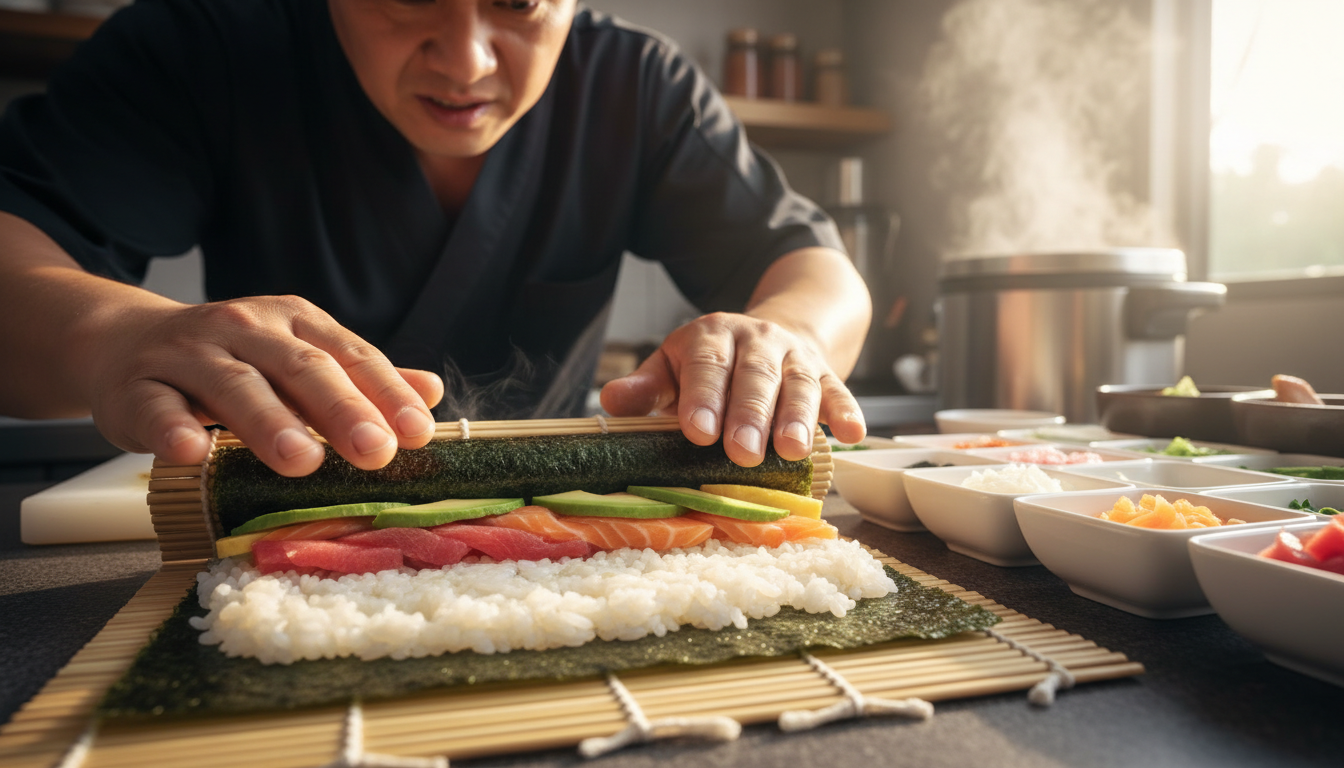
Making sushi at home can be a fun and rewarding experience. Start with simple rolls like cucumber or avocado maki before trying more complex recipes. You'll need basic ingredients such as sushi rice, nori (seaweed sheets), and your choice of fillings. A bamboo mat can help achieve the perfect roll.
Conclusion: Dive Into the World of Sushi
Whether you're a sushi novice or a seasoned enthusiast, there's always more to discover about this fascinating cuisine. From the variety of flavors to the intricate preparation techniques, sushi offers a world of culinary adventure. Don't be afraid to try new types or even attempt making your own at home!